Norcross, GA project desk · [email protected] Documented capacity · Safety inputs · SAT evidence

Slip Robotics AGV and AMR fleets planned for recoverable warehouse handover

Translate SKU mix, order lines, aisle geometry, charging access and WMS/WCS handshakes into a robot operating concept that operations, EHS and controls teams can accept together.
Review Robot Systems
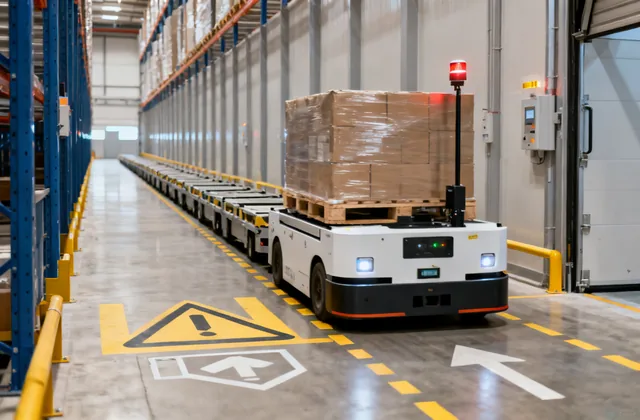
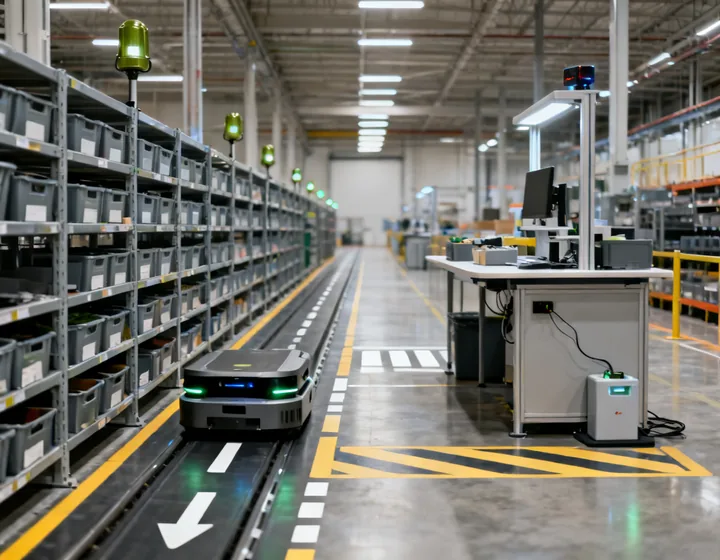
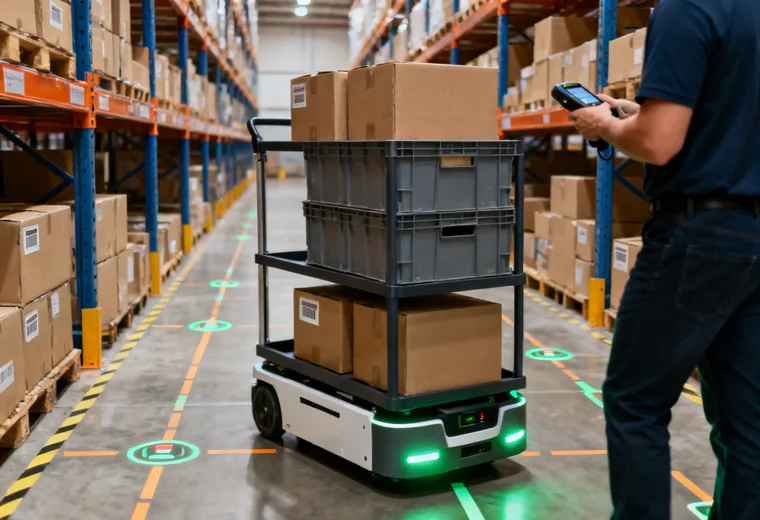
Warehouse AMR fleet navigating marked aisles beside tote shelving and a collaborative picking station
Design Rate SKU mix bound

Rate is stated only with order profile, peak window and replenishment conflict assumptions.

View rate boundary →
FAT Scope Factory evidence

Factory tests cover navigation envelopes, payload stability and interface simulators before shipment.

Review FAT checklist →
SAT Gates Site acceptance

Site acceptance measures live aisle geometry, charging dwell and exception recovery under agreed work.

Open SAT path →
Service Response Clocked ownership

Response clocks separate notification, diagnostics, parts access and return-to-service proof.

See response clock →
Operating profiles

Compare fleet boundaries across fulfillment environments

Slip Robotics uses an operating-profile matrix so SKU depth, peak factor, temperature and load mix stay visible before a rate target is quoted.

Profile SKU depth Peak factor Temperature Pallet / tote mix
E-commerce High, volatile 1.8–3.0× Ambient Tote / carton heavy
Grocery Medium-high Wave-driven Ambient / chilled Mixed case & tote
Cold chain Constrained Shift spikes Chilled / frozen Tote preferred
Manufacturing Sequenced Line-paced Ambient Pallet / kit tote
3PL multi-client Client-segmented Contract peaks Mixed zones Pallet + tote

E-commerce

SKU depth
High, volatile
Peak factor
1.8–3.0×
Temperature
Ambient
Pallet / tote mix
Tote / carton heavy

Grocery

SKU depth
Medium-high
Peak factor
Wave-driven
Temperature
Ambient / chilled
Pallet / tote mix
Mixed case & tote

Cold chain

SKU depth
Constrained
Peak factor
Shift spikes
Temperature
Chilled / frozen
Pallet / tote mix
Tote preferred

Manufacturing

SKU depth
Sequenced
Peak factor
Line-paced
Temperature
Ambient
Pallet / tote mix
Pallet / kit tote

3PL multi-client

SKU depth
Client-segmented
Peak factor
Contract peaks
Temperature
Mixed zones
Pallet / tote mix
Pallet + tote
Review Operating Profiles
Decision checkpoints

Keep safety, rate and acceptance evidence in one conversation

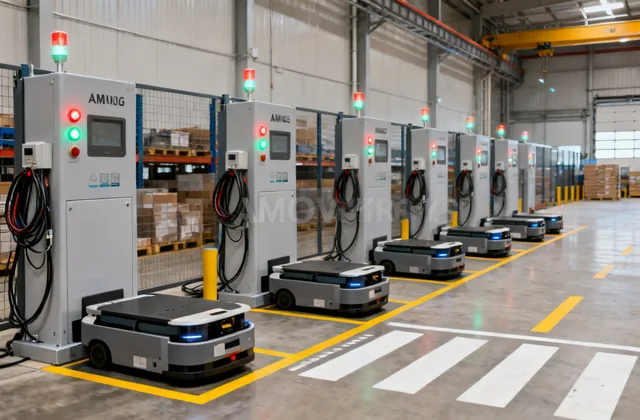
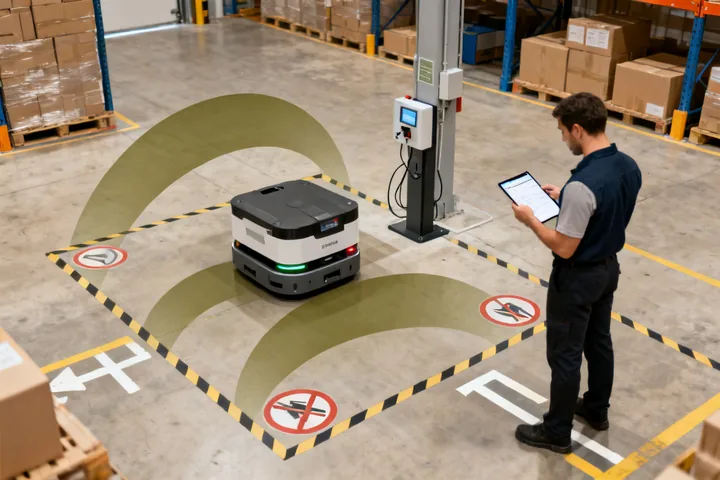
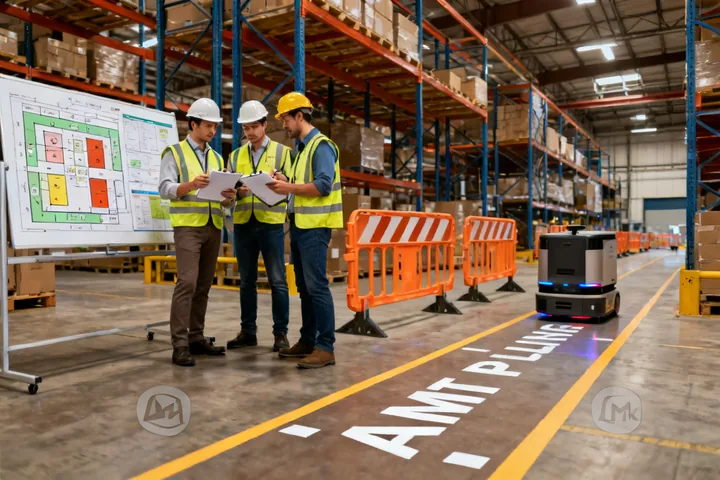
AMR fleet safety field and traffic rule review

Robot Fleet Safety

Route maps, scanner fields, charging zones and robot-to-control exception handling become testable requirements, not slide-deck assumptions. Pedestrian crossings, soft-stop behavior and lockout paths are written into the same package operations and EHS review.

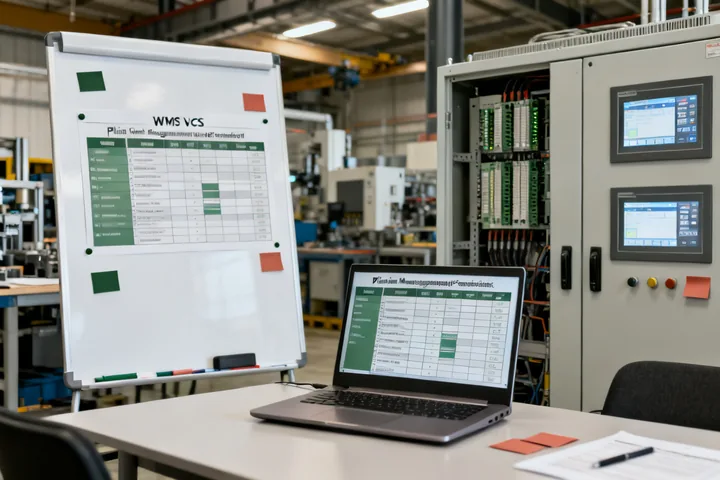
Controls responsibility matrix workshop for WMS WCS and fleet manager

Controls Responsibility Matrix

WMS task creation, WCS/WES orchestration, PLC execution and fleet-management ownership each carry alarms, timeouts and evidence. Slip Robotics documents the handshake so SAT does not invent owners on the floor.

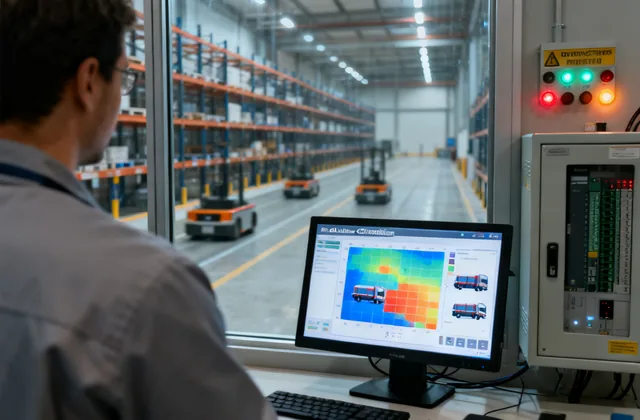
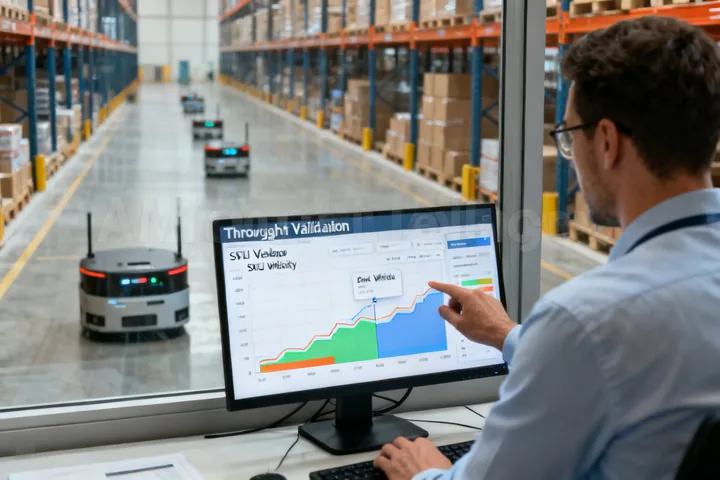
Throughput validation dashboard with SKU mix and peak window

Throughput Validation

Rate claims include SKU mix, order profile, peak window, accumulation, replenishment and the recovery time after an exception. Design rate is never separated from buffer occupancy and divert accuracy assumptions.

Phased cutover plan for brownfield AMR deployment

Phased Project Delivery

Brownfield cutover protects live fulfillment with fallback states, commissioning windows and measurable SAT gates. Each phase names the work that remains manual until robots own that aisle class.

Ready to document the Slip Robotics fleet boundary?

Share the payload, route map, peak window and interface ownership you can defend in SAT. We respond with the questions that keep safety, rate and service access aligned.

  • Payload, aisle class and floor quality captured early
  • WMS / WCS / FMS ownership written before go-live
  • Charging, spares and recovery clocks named with rate
  • FAT and SAT evidence packages stay project-specific

Send project inputs