Mission
Help warehouse operators accept AGV and AMR fleets with documented capacity, scanner fields, charging access and recovery planning from RFQ through SAT. Every proposal should make the unresolved risks visible before capital is committed.
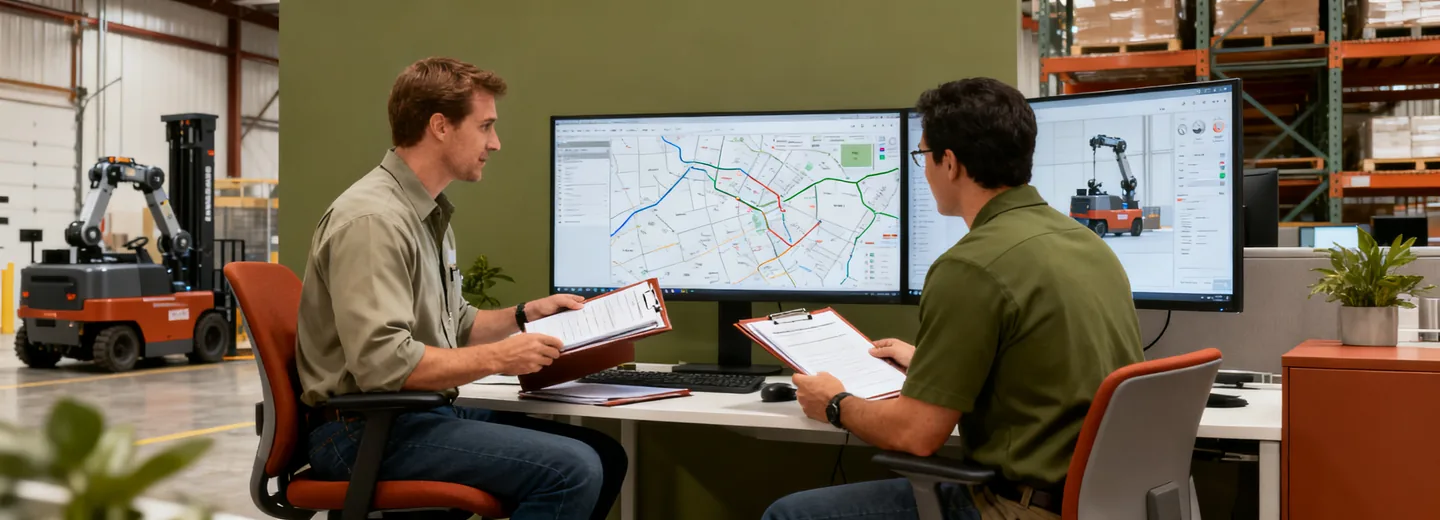
Since 2004, Slip Robotics has grown into a medium-scale robotics organization serving projects across 34 countries. Our culture rewards clear ownership of safety fields, controls handshakes and service access—not slogans about autonomous warehouses.
Help warehouse operators accept AGV and AMR fleets with documented capacity, scanner fields, charging access and recovery planning from RFQ through SAT. Every proposal should make the unresolved risks visible before capital is committed.
Make dependable handover the default language of warehouse robotics—where operations, EHS, IT/OT and maintenance share one evidence package instead of competing slide decks.
Rate, availability and response times enter customer conversations only with named boundaries, observation windows and ownership.
Engineers write for operators and EHS reviewers, not only for automation peers, so SAT scripts stay executable on nights and weekends.
Brownfield phases, fallback states and temporary manual paths are treated as design deliverables, not afterthoughts.
Spares, pull-out bays and diagnostic access are reviewed with the same rigor as navigation maps and FMS rules.
Planning figures describe organizational scale for project staffing discussions. They are generated-range values for site planning and are not independently verified public claims.
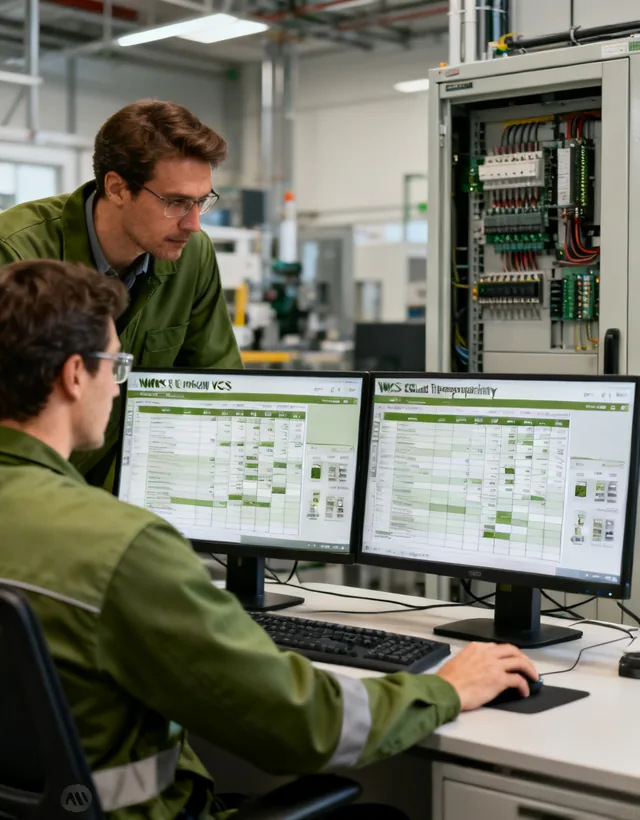
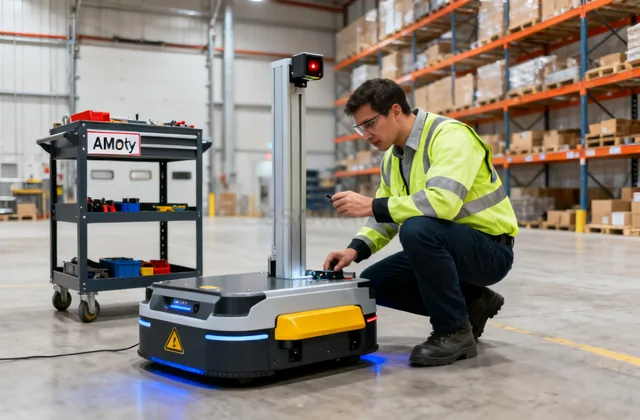
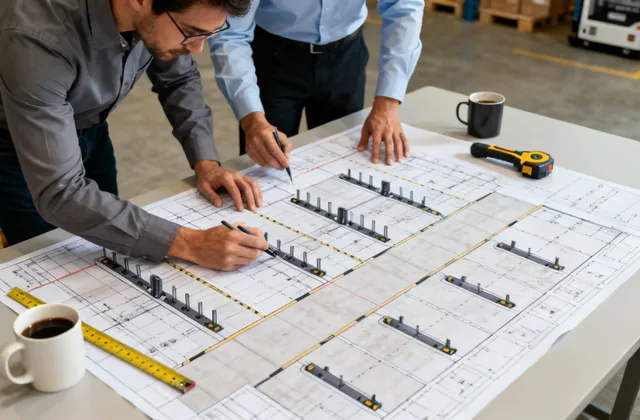
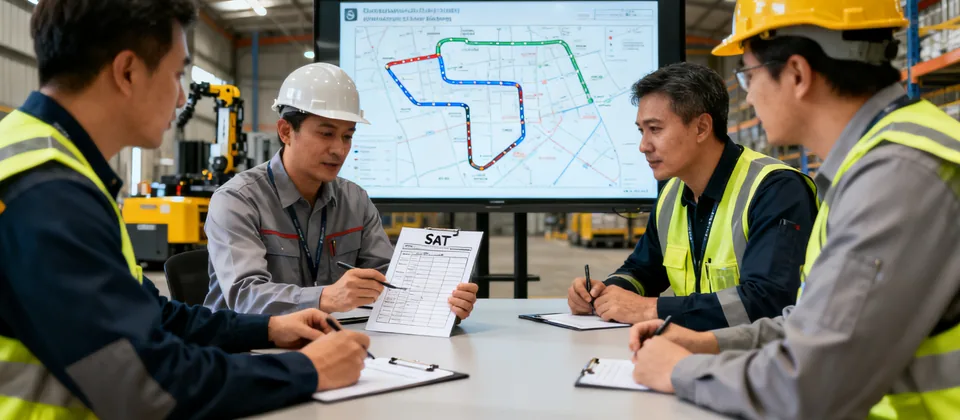
We look for people who can explain a blocked-aisle recovery to an operator and a timeout matrix to a WMS architect—without switching into marketing language. Project desks in Norcross, GA coordinate application, integration and documentation support by scope.