Address
Slip Robotics Project Desk
Norcross, Georgia, USA
Global application support by project scope
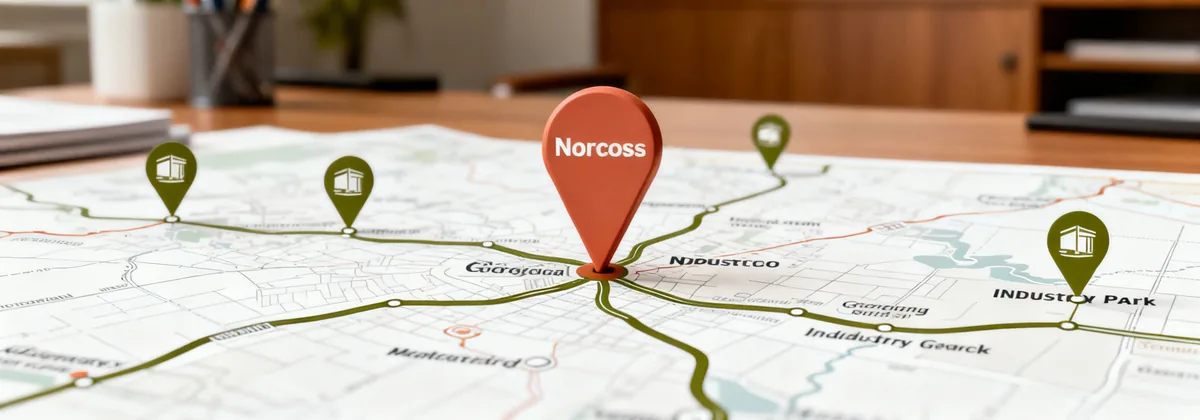
Share load units, routes, peak windows, interfaces and access limits with the Norcross, GA project desk. The map band below orients visitors; the inquiry form follows with the same backend fields used in the compact quote modal. This page is for structured project intake, not a shortened version of the dialog form alone.
Slip Robotics Project Desk
Norcross, Georgia, USA
Global application support by project scope
+1 (770) 555-0148
[email protected]
LinkedIn / technical updates on request
Monday–Friday
08:00–18:00 Eastern Time
Emergency response windows defined per Uptime Plan
Useful inquiries name the load unit, aisle class, floor quality notes, charging candidates, SKU velocity bands, peak calendar, current WMS/WCS ownership and whether the building is greenfield or brownfield. If a robot must share aisles with associates, include pedestrian crossing intent and lockout expectations. If cold rooms or mixed temperature zones exist, state door cycle limits and whether batteries stay inside or outside the zone.
Brownfield cutover details matter as much as robot count. Tell us which zones must keep shipping during commissioning, which temporary routes remain open, where robots will be pulled out for service and which work stays manual until SAT gates close. Temporary pedestrian barriers, dock door conflicts and overnight installation windows often decide whether a phased fleet can protect live fulfillment.
Controls boundary notes prevent SAT surprises. Identify who creates missions, who owns traffic rules, who clears alarms and which system owns inventory reconciliation after a timeout. Slip Robotics uses these inputs to separate WMS decisions from fleet-manager reroutes and PLC safety lockouts before anyone quotes an availability target.
Use the shared inquiry form below. Fields stay identical to the modal for backend compatibility; this page adds site context, hours, map orientation and the intake checklist the modal intentionally omits. Incomplete data still receives a reply, but missing peak, interface or access notes will return as clarification questions before any design-rate discussion.